
Written by The Midtown Psychology Team
Providing evidence-based, neurodiversity-affirming mental health care for children, teens, adults, and families in New York City.
Updated 10/23/26
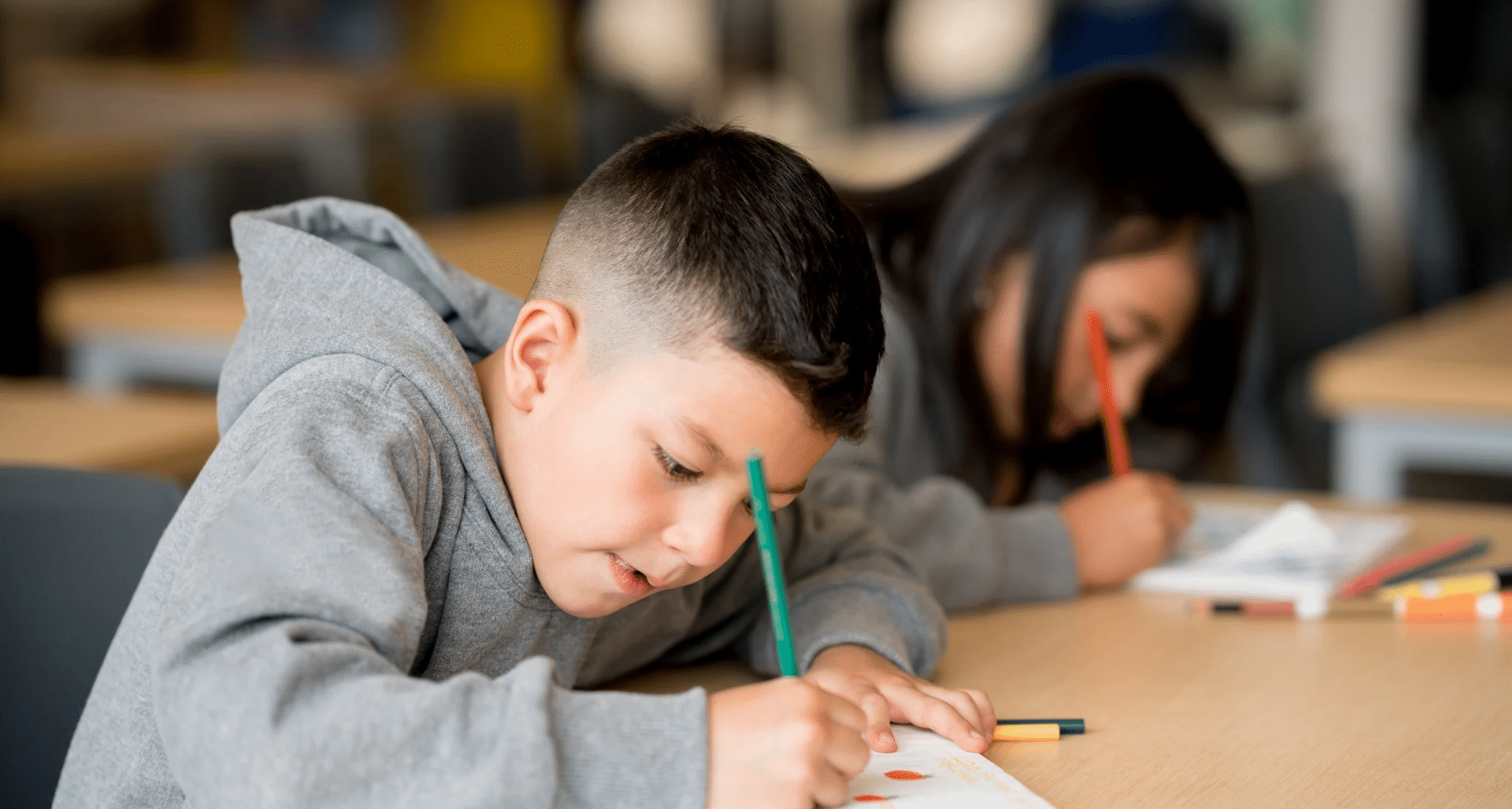
After school restraint collapse happens when a child spends the school day managing their emotions, following rules, and holding in stress, then releases all of that tension once they get home. Meltdowns, irritability, or shutting down after school often mean your child feels safe enough with you to let go. It’s especially common in gifted, anxious, and neurodivergent kids, and it’s a signal that the school day is asking a lot of them.
Key Takeaways
After school restraint collapse isn’t defiance or bad behavior. It’s what happens when a child spends eight hours suppressing big feelings and finally reaches a place where they feel safe enough to release them. That place is usually home, and you are usually the person they release onto. It’s most common in kids who are masking anxiety, ADHD, or autistic traits during the day. Understanding what’s driving it opens up better ways to help.
Table of Contents
- Is after school restraint collapse a sign of anxiety, ADHD, or autism?
- Why does my child only melt down with me and not other people?
- How can I help my child decompress after school?
- When are after school meltdowns a sign of something more serious?
- Should I tell my child’s teacher what’s happening at home?
- Can therapy help with after school restraint collapse?
- FAQ
- About Midtown Psychology
Is after school restraint collapse a sign of anxiety, ADHD, or autism?
It can be connected to any of these, and it’s particularly common in kids who are working harder than their peers to get through a typical school day. Children who are anxious, have ADHD, or are autistic often spend significant energy managing sensory input, navigating social dynamics, suppressing impulsive responses, or appearing calm when they aren’t. That effort is real and it’s depleting, even when it’s invisible to the adults around them.
Gifted and twice-exceptional kids are another group where after school restraint collapse appears frequently. A child who is intellectually advanced but emotionally or neurologically younger than their peers may be holding themselves to a behavioral standard that genuinely costs them more than it looks like from the outside.
The collapse itself isn’t the condition. It’s a symptom of the effort required to sustain a level of regulation that the school environment demands. Understanding which underlying factors are driving that effort, whether it’s anxiety, attention difficulties, sensory sensitivity, social masking, or some combination, is what makes it possible to actually address rather than just manage.
Why does my child only melt down with me and not other people?
Because you are the safest person in their world. That sounds counterintuitive when you’re on the receiving end of a meltdown, but it reflects something important about your relationship: your child trusts that you will not leave, not withdraw your love, and not punish them for having big feelings. That security is what allows the release.
Teachers, coaches, and friends’ parents don’t offer that same unconditional safety, so the child holds it together around them. This is often why parents get the report that everything is fine at school while experiencing something very different at home. Both things are true. The child is fine at school in the sense that they are managing. They are not fine at school in the sense that managing is costing them a great deal.
It can feel personal or even unfair to be the target of the emotional release after you’ve been away from each other all day. It isn’t a sign that something is wrong with your relationship. It’s a sign of how much your child relies on you, which, even when exhausting, is actually the relationship functioning as it should.
How can I help my child decompress after school?
The most effective approaches reduce demand and sensory input immediately after school rather than adding more.
Create a buffer between school and everything else. Avoid scheduling homework, chores, or difficult conversations right at pickup or arrival home. Some children need twenty to thirty minutes of genuinely low-demand time, a snack, some quiet, outdoor movement, or screen time, before they can regulate well enough to engage with anything requiring more of them.
Match your energy to where they are rather than where you’d like them to be. A loud, cheerful greeting when a child is already dysregulated can tip them into overload. A quieter, lower-key welcome often allows them to settle faster.
Notice the pattern without commenting on it in the moment. Saying “you always fall apart when you get home” during a meltdown doesn’t help and can increase shame. Understanding the pattern allows you to anticipate it and structure the afternoon to reduce the friction.
Protein and low-sugar food after school genuinely helps for many children. Blood sugar drops across a long school day and can significantly worsen emotional regulation. A predictable after-school snack is a small change that sometimes makes a meaningful difference.
When are after school meltdowns a sign of something more serious?
For most children, after school restraint collapse is intense in the moment but resolves relatively quickly and doesn’t persist into the evening. When it doesn’t, that’s worth paying attention to.
Signs that something more needs to be addressed include: meltdowns that last more than an hour regularly, physical aggression toward people or property, a child who doesn’t seem to settle at all during the evening, signs of distress about school itself such as refusing to go, stomach complaints in the mornings, or tearfulness around school-related topics. If a child is describing situations at school that sound socially painful, frightening, or overwhelming, those deserve follow-up beyond what after-school decompression can address.
It’s also worth noting whether the intensity has changed. A child who has always had a hard transition after school but is managing okay in general is in a different situation from one where the meltdowns have escalated recently. A change in pattern often signals a change in what’s happening during the school day.
Should I tell my child’s teacher what’s happening at home?
In most cases, yes. Teachers can’t adjust for something they don’t know about, and the information can genuinely change how they observe and support your child during the day. A teacher who knows a child is masking stress may watch more closely for subtle signs of struggle, build in more transition support, or check in more often.
How you frame it matters. Sharing that your child finds the school day emotionally demanding and needs significant recovery time afterward opens a collaborative conversation. Coming in with the message that school is causing the problem tends to put teachers on the defensive and makes the conversation less productive.
It’s also worth asking the teacher what they’re observing. They may have noticed things that add to the picture, or they may tell you the child seems fine, which in itself is useful information about how much effort the child is expending to appear that way.
Can therapy help with after school restraint collapse?
Yes, particularly when the restraint collapse is connected to anxiety, ADHD, or difficulty with emotional regulation more broadly. Therapy for children and adolescents can help in a few specific ways.
For the child, it builds the emotional vocabulary and regulation skills that make it easier to manage demands during the day and discharge stress in less explosive ways at home. A therapist can also help identify what specifically is most depleting during the school day and work with the child on strategies for those moments.
For parents, therapy or parent coaching gives you concrete tools for the after-school transition and helps you understand how to respond to meltdowns in ways that settle the nervous system rather than escalating it. Often it’s the combination of working with the child and supporting the parent that produces the most meaningful change.
If the pattern suggests an underlying condition that hasn’t been formally assessed, a therapist can also help determine whether an evaluation makes sense and what to look for.
Frequently Asked Questions
No. It’s a term used to describe a pattern of behavior, not a clinical diagnosis. It can be associated with diagnosed conditions like anxiety, ADHD, or autism, but many children who experience it don’t have a formal diagnosis. The value of the term is that it gives parents and clinicians a frame for understanding what’s happening and why.
It’s most commonly reported in elementary school-aged children, typically between five and twelve, but it can occur in teenagers as well, particularly those who are masking significantly at school. The expression looks different across ages: younger children tend toward meltdowns, older children and teens may be more likely to shut down, withdraw, or become irritable and snappy rather than crying or tantruming.
For most children, the acute part of the meltdown passes within twenty to forty minutes once they’re in a low-demand environment. Some children settle faster with food, movement, or quiet. If meltdowns regularly extend beyond an hour or recur across the evening, that’s worth discussing with a clinician.
Not necessarily. Many children who experience significant restraint collapse are doing fine socially and academically. The collapse reflects the effort required to meet the school environment’s demands, not necessarily dissatisfaction with school itself. That said, it’s always worth checking in with your child about what the school day feels like to them, because the pattern can also coexist with real stress about specific situations at school.
About Midtown Psychology
Midtown Psychology is a New York City practice supporting children, teens, and families, including gifted, twice-exceptional, and neurodivergent kids. Our clinicians help children build emotional regulation skills using evidence-based approaches like CBT, while giving parents practical strategies to make afternoons and evenings feel more manageable. We work with families to understand what’s driving a child’s stress so home can feel calmer for everyone.
If your child is holding it together all day and falling apart at home, Midtown Psychology can help your family find calmer afternoons and better tools for handling stress. Schedule a free consultation today.